Climate Resilience in Real Estate

Buying a house used to come down to a short list of worries. Was the roof sound? Did the plumbing hold up? Were there cracks in the foundation? Those questions still matter, but a new one has muscled its way to the front of the line. Buyers now want to know how a home will hold up when the weather turns against it.
The reason is simple. Storms hit harder than they did a generation ago, insurance premiums keep climbing, and a single flood or wildfire can wipe out years of equity in an afternoon. Because of that, the home inspection has grown into something bigger. On top of checking whether a house works today, a growing number of inspectors also weigh how it will fare against the risks tied to its location. If you want to get the full value out of that visit, it helps to know how to get the most out of your home inspection before the inspector ever pulls into the driveway.
The Shift From Traditional Inspections to Climate Risk Assessments
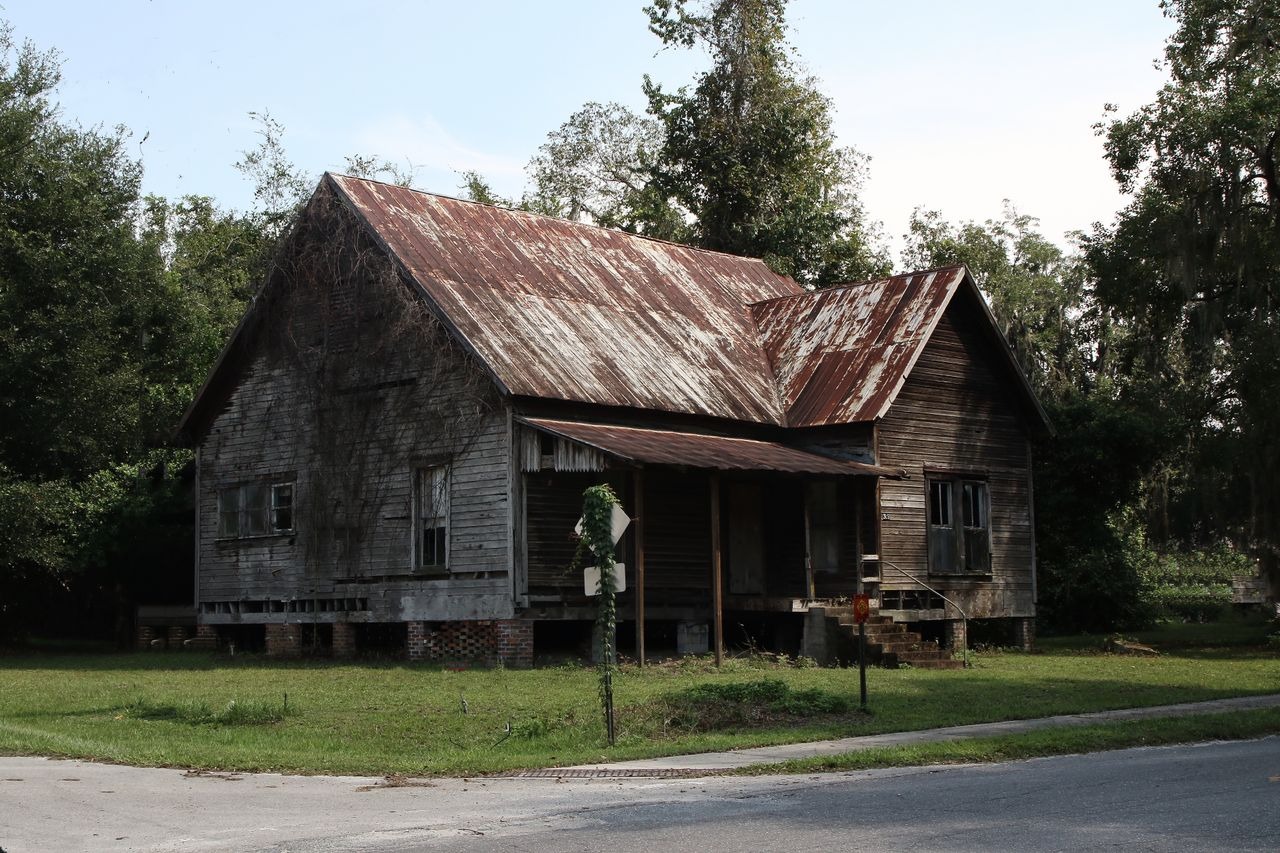
For decades, a standard inspection took a snapshot. The inspector walked the property, noted what was broken or worn, and handed over a report. That report told you the state of the house on that one day, which is exactly why an inspection is only good for about 90 days. Weather, wear, and time can all change the picture fast.
A climate risk assessment works differently. It looks past the day of the visit and asks what the years ahead might bring. Instead of stopping at a leaky faucet, the inspector studies how water moves across the lot, whether the surrounding brush could feed a fire, and how well the frame is braced against wind. The house gets scored not only on its current condition but on its ability to take a beating and stay standing.
This shift did not happen by accident. Lenders and insurers started asking sharper questions, and buyers who had watched neighbors lose homes wanted answers before signing. So the inspection stretched to meet the moment. Many of the old habits still apply, and a solid home inspection checklist remains the backbone of the visit. The difference is what gets added on top.
Advanced Flood Risk Tracking Beyond Standard Maps
Most people reach for a federal flood map to gauge water risk. Those maps have their place, but they paint with a wide brush. A parcel sitting just outside a mapped flood zone can still take on water during a heavy rain, and plenty of homeowners have learned that the hard way.
Modern flood tracking fills the gaps. Inspectors and the data tools they lean on now factor in rainfall records, past claims on the street, the height of nearby creeks, and how the ground has been reshaped by new construction upstream. A subdivision built last year can change the way water drains for every house below it. That kind of detail never shows up on a map printed years ago, yet it can decide whether a basement stays dry.
Inspecting a Property’s Micro-Topography and Drainage Systems
The real work happens on the ground. An inspector walks the lot and reads the slope of the land, watching for spots where water would pool instead of running off. A yard that tilts toward the house is a warning sign, no matter what any map says. Low points near the foundation, worn grading, and settled soil all get flagged.
From there the focus turns to the systems built to carry water away. Gutters, downspouts, French drains, sump pumps, and the pitch of the driveway all come under review. An inspector checks whether downspouts dump water a safe distance from the wall or drop it right against the footing. Clogged drains, cracked pipes, and a sump pump that has quit are exactly the sort of trouble a buyer wants named early, so it can go straight into the negotiation and onto the list of items to bring to the seller.
Wildfire Resilience: Evaluating Defensible Space and Structural Hardening
Where fire is a threat, the ground around a house matters as much as the house itself. Inspectors look at defensible space, which is the buffer between the structure and anything that could carry flames toward it. The first few feet closest to the wall get the hardest look, since a stack of firewood, a wooden fence, or dry mulch pressed against the siding can turn a passing ember into a lost home.
Beyond the yard, the review moves to how the house is built to resist fire, often called hardening. Roof material carries a lot of weight here, because a roof is the biggest target for falling embers. Vents get checked too, since open soffit and gable vents can suck burning debris straight into an attic. Inspectors note whether vents carry ember-resistant screening, whether eaves are boxed in, and whether the siding is made of something that will not feed a fire. Small choices like these add up, and a buyer who knows about them can plan repairs with clear eyes.
Wind and Severe Weather Mitigation: Assessing Structural Integrity
High wind pulls a house apart from the top down. That is why inspectors trace the load path, the chain of connections that ties the roof to the walls and the walls to the foundation. When that chain is strong, the whole structure works as one piece against a gust. When a link is weak, the failure spreads.
The inspection covers the frame, the anchor bolts that pin the house to its slab or footings, and the way the roof deck is fastened. Older homes were often nailed together in ways that meet the codes of their day but fall short of what a strong storm demands. Spotting those gaps gives an owner a real project list, whether the goal is peace of mind or a break on the insurance bill.
How Inspectors Verify Roof Tie-Downs and High-Impact Ratings
Roof tie-downs, sometimes called hurricane clips or straps, hold the roof to the walls when the wind tries to lift it off. An inspector who can reach the attic looks for these metal connectors at the points where the rafters meet the top of the wall. Their presence, or the plain lack of them, tells a clear story about how the roof will behave in a blow.
Windows and doors get their own review. High-impact ratings mean the glass and framing were built and tested to survive flying debris, the kind a storm turns into projectiles. Inspectors check for impact-rated labels, look over the seals, and note whether the openings were installed the way the maker intended. A single broken window during a storm can pressurize a house and blow the roof off from the inside, so these ratings are far from a footnote.
Leveraging a Resilience Report for Long-Term Asset Value
A resilience report does more than list what is wrong. It becomes a tool the owner keeps using long after the sale closes. Insurers increasingly reward the upgrades these reports point to, so a documented set of tie-downs or impact windows can trim a premium year after year. Buyers, meanwhile, can use the findings to shave the price or ask the seller to cover the fixes, the same way they would with any other inspection result.
Agents who work in areas prone to hard weather see the value up close. Brady Bridges, broker-owner of Reside Real Estate in Fort Worth, puts it plainly:
“A resilience report has become one of the smartest things a buyer can put money into. It tells you where a home stands against the weather we actually get around here, and it hands you a plan you can act on. I’ve watched that kind of report help clients win a better price, lower their insurance, and sleep easier through storm season. It is no longer a luxury. It is part of protecting the investment.”
That view is spreading. As the paperwork behind a sale grows to include climate data, homes with a clean resilience record start to stand out. Two houses on the same street can carry very different long-term costs, and the report is what makes that gap visible. Inspectify has leaned into this trend, folding richer data into its inspections much as it did when it began producing home energy reports from routine visits.
Conclusion
The house you buy today will meet weather no one can fully predict. What you can do is walk in knowing how it stands against flood, fire, and wind, and knowing which fixes will make it stronger. That is the quiet power of a modern inspection. It turns a stack of guesses into a clear picture, and it puts real numbers behind a decision that used to run on hope.
Ask your inspector how they handle climate risk, read the report closely, and treat the findings as a road map rather than a verdict. A home built to take a hit is worth more in every sense, and the work of proving it starts before you ever hold the keys.
Written by Theresa Ray